Featured Post

2026 Quality Over Quantity: Strategic Grocery List

You Might Like

Thursday, November 7, 2019

Plant Based Bodybuilding Transformation

What is plant based bodybuilding?


This article on plant-based bodybuilding seeks to direct bodybuilders to plant based foods as an optimal source of nutrition for muscle building.

Most bodybuilders focus on eating large amounts of animal protein for muscle building. Much emphasis is not paid to other food sources at times.

According to Marion Nestle, “Protein is most definitely not a synonym for meat” (cited in stonepierspress.org, 2019).

In this series, I will therefore attempt to establish the overall benefits of eating plants as sources of proteins and other nutrients.


The US Government has launched MyPlate, which pays greater attention to the plant based diet


In defense of my position, I draw to your attention the US Government's 2011 retirement of the food pyramid in favor of MyPlate.

MyPlate models five food groups on a plate and pays special attention to a plant based diet. These five food groups are:

- fruits
- vegetables
- proteins
- grains
- dairy

MyPlate divides each plate into four unequal sections to represent different food groups. The sections are:

- Vegetables - the largest section.
- Grains - the second largest.
- Fruits and vegetables fill half of the plate.
- Proteins and grains each fill the other half.
- A dairy product is on the side.

The protein section of MyPlate is "open." In other words, proteins can originate from sources like fish, shellfish, eggs, beans, peas, nuts, and seeds in addition to meat. Dairy is on the side of the plate and is represented by a small blue circle.

Two observations are that some of the complex carbohydrates like tubers are not included. Examples include yams, sweet potatoes, cassava and others. These types of complex carbohydrates provide a greater degree of energy and fullness throughout the day in my personal experience.

Good fat sources are also not identified. However, MyPlate is a great improvement over the previous food pyramid in which the volume of plant intake was smaller.

MyPlate on https://leanmusclebody.com


What is the MAIN overall health benefit of the plant based diet?


Humans need to eat green plants because they give off oxygen. This is how it happens:

1. Green plants absorb Chlorophyll, a substance in sunlight.
2. Chlorophyll uses carbon dioxide (which is released from human and animals) and water to make energy.
3. Plants give off oxygen as an end product of energy creation.
4. Humans need oxygen for every body function and survival. We can live only about 4 minutes without oxygen supply.
5. Therefore, bodybuilders can increase oxygen supply for optimal muscle function by eating green plants.


What is the MAIN overall health benefit of eating fruits in the diet?


1. Fruits contain yellowish to reddish pigments called carotenoids which are antioxidants.
2. These carotenoids are actually the form in which chlorophyll exists in fruits.
3. Therefore fruits will also oxygenate your body and provide necessary life giving elements to muscle cells.


Fruits and vegetables in the plant based diet are antioxidants which provide important protective functions


Fruits and vegetables are rich in natural substances called antioxidants. Examples of antioxidants include

- Beta-carotene
- Lutein
- Lycopene
- Selenium
- Vtamin A
- Vitamin C
- Vitamin E

Antioxidants protects healthy cells from injury. They have also been found to be protective against cancer, heart disease and other lifestyle related diseases. Therefore, bodybuilders will enhance overall health and well being by paying attention to eating fruits and vegetables since they posseess the oxygenation and anitoxidant benefits.


Eating fruits and vegetables protect bodybuilders from free radicals which are injurious substances released during exercise


Free radicals are substances that are produced internally under two conditions. One of these is during exercise and the other is when the body converts food into energy.

Environmental elements are other external sources of free radicals. These include cigarette smoke, air pollution, and sunlight, to name a few.

In turn, free radicals can cause the body to go into a state called “oxidative stress.” Oxidative stress triggers cell damage. Oxidative stress is linked to diseases including cancer, heart diseases, diabetes, Alzheimer’s disease, Parkinson’s disease, and eye diseases.

Can you imagine the amount of free radical damage and oxidative stress that occurs during each bodybuilding activity, This is the reason why fruits and vegetables are highly recommended to prevent this kind of damage.

When we think of all the activity that muscle cells go through during exercise.

What foods in the plant based diet are particularly high in antioxidants?


Antioxidant rich foods include:


Apples
Grapes
Citrus fruits - oranges, grapefruit etc
Peaches
Nectarines
Aricots
Cherries
Plums
Prunes
Tropical fruits like banana, dates, mango and guava
Pomegranate
Olives
Walnuts
Pistachios
Pecans
Hazelnuts
Almonds
Sunflower seeds
Sesame seeds
Ground flaxseed
Legumes — such as kidney beans, edamame and lentils
Sweet potatoes
Veggies like artichokes, kale, bell peppers, asparagus, beets, broccoli, red cabbage and tomatoes.

Note that you should use the fruits and vegetable that are indigenous to your country even if they are not listed here.

We'll continue the discussion in an upcoming article.


Click the link below to see our recommended resource for your plant based bodybuilding transformation


READINGS


Mayo Clinic. (2019). Healthy lifestyle: antioxidants. Retrieved from https://www.mayoclinic.org/healthy-lifestyle/nutrition-and-healthy-eating/multimedia/antioxidants/sls-20076428?s=6


Medline Plus. (2019). Antioxidants. Retrieved from https://medlineplus.gov/antioxidants.html


Moss, M. (2019). Baby milestones: plants in baby's diet. Retrieved from https://babymilestones.info/en/category/babys-diet/

National Center For Complimentary And Integrative Health. (2016). Antioxidants: In depth. Retrieved from https://nccih.nih.gov/health/antioxidants/introduction.htm

National Center For Health Research. (2011). MyPlate: A New Alternative to the Food Pyramid. Retrieved from http://www.center4research.org/myplate-new-alternative-food-pyramid/



Saturday, June 1, 2019

Bodybuilding: Fatty Acids Benefits For Bodybuilders

What are fatty acids?

Fatty acids are the building blocks of the fat in human bodies. In order to be usable by the body, foods containing fats are broken down in the small intestine into smaller products called fatty acids.

These fatty acids are then transported across the wall of the small intestine into the blood to be used or stored for future purposes.

Fatty acids are usually joined together in groups of three, forming a structure called a triglyceride.

Fatty acids are essential nutrients that play a crucial role in various bodily functions, including energy storage, hormone production, and cell membrane structure.


Classification of fatty acids

Fatty acids are classified based on the length of their carbon chains:

Short-chain fatty acids (SCFA)

SCFAs are the smallest fatty acids, containing up to 6 carbon atoms. They are primarily produced by gut bacteria through the fermentation of dietary fiber. Examples of SCFAs include acetic acid, butyric acid, and propionic acid.

Medium-chain fatty acids (MCFA)

MCFAs contain 6 to 12 carbon atoms. They are absorbed directly into the bloodstream from the gut and transported to the liver, where they are readily metabolized for energy. Examples of MCFAs include lauric acid, capric acid, and octanoic acid.

Long-chain fatty acids (LCFA)

LCFAs contain more than 12 carbon atoms. They are the most abundant type of fatty acid found in the diet and are stored in adipose tissue as energy reserves. Examples of LCFAs include palmitic acid, stearic acid, and oleic acid.


Table 1: Key differences between SCFAs, MCFAs, and LCFAs:

Fatty Acid TypeCarbon Chain LengthAbsorptionPrimary Metabolic SiteEnergy Source
Short-chain fatty acids (SCFA)Up to 6 carbonsDirect absorption from the gutLiverImmediate energy source
Medium-chain fatty acids (MCFA)6 to 12 carbonsDirect absorption from the gutLiverReadily metabolized for energy
Long-chain fatty acids (LCFA)More than 12 carbonsLymphatic absorptionAdipose tissueStored energy reserves


Health implications of the type of fatty acids eaten

The type of fatty acid consumed can have different metabolic effects and health implications. SCFAs are known for their anti-inflammatory properties and potential benefits in gut health and weight management.

MCFAs are often used in ketogenic diets to provide an alternative energy source for the brain.

LCFAs, when consumed in excess, can contribute to weight gain and cardiovascular risks.

It's important to maintain a balanced intake of different types of fatty acids for optimal health.

Replacing saturated and trans fats with healthier unsaturated fats, such as those found in fish, nuts, and seeds, can contribute to a well-rounded diet.


Understanding more about fats and their benefits


Although the words fats and fatty acids might conjure up a picture of obesity and other horrible diseases, the body actually needs them for many useful purposes which include

         
  1. insulating the body.
  2. storage of energy.
  3. production of energy.
  4. protecting body organs against shock.
  5. release of energy when blood glucose is depleted.
  6. building nerve tissue (including the brain and nerves).
  7. uptake of Vitamins A, D E and K from the small intestine into the blood. These are fat soluble vitamins because they can only be absorbed if there’s fat in a person’s diet.
  8. building hormones or substances which are made in structures called glands. Examples include testosterone in males and estrogen and testosterone in females.


Alzheimers disease

Three types of fats/fatty acids in food sources


Three types of fats or fatty acids can be taken in via food sources. They are:

  • Saturated fats/fatty acids.

  • Monounsaturated fats/fatty acids.

  • Polyunsaturated fats/fatty acids.

Saturated fats

Saturated fats/fatty acids originate from both animal fats and plant oils.  They are usually solid at room temperature.


Food sources that are high in saturated fat


 fatty cuts of meats.
skin from poultry – remove the skin when cooking.
full-fat dairy products like butter, milk, yogurt, cheese, and cream.
Many takeaway foods and processed foods, such as pies, pastries, doughnuts, cakes, and biscuits.
Plant sources include palm oil, coconut oil, and palm kernel oil. 


Can bodybuilders use the saturated fatty acids in coconut oil?


Saturated fats or fatty acids are also found in tropical oils, like palm kernel or coconut oil.  However, coconut oil possesses medium chain triglycerides or MCTs which are shorter than most other fats.

Medium-chain triglycerides from coconut oil go directly to the liver where they are rapidly used for energy or converted into ketones.  Ketones can have powerful benefits for the brain and are being studied as a treatment for conditions like epilepsy and Alzheimer’s disease.

Additionally, coconut oil has been shown to have many beneficial effects such as:

    increasing the usage of fat in the body.
    killing harmful germs and protecting from disease.
    Reducing hunger thus helping individuals to reduce food intake. Increasing the good cholesterol or High-Density Lipoprotein or HDL. This is important in reducing heart disease.
    Improving the moisture content of the skin thus reducing symptoms of eczema.


Coconut  Research Center


Polyunsaturated and monounsaturated fats/fatty acids


Polyunsaturated and monounsaturated fats are usually liquid at room temperature. They are needed for good health and are better for bodybuilders. 

These fats help to reduce the risk of heart disease and stroke by lowering the ‘bad’ (low-density lipoprotein or LDL) cholesterol in the blood.

Polyunsaturated and monounsaturated fats food sources include:

    avocado.
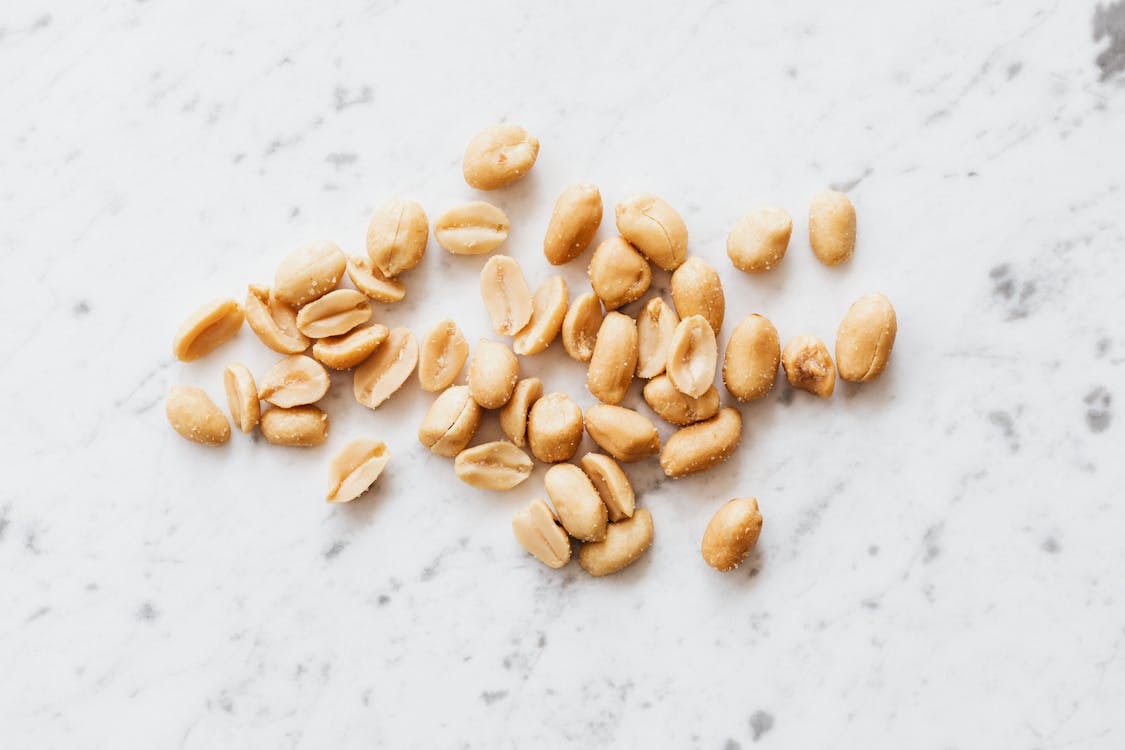
    nuts and seeds.
    sunflower, olive, peanut and sesame oils.
    some vegetable oils and margarine spreads.
    oily fish, including salmon, sardines, blue mackerel and tuna.


The two major classes of polyunsaturated fatty acids (PUFAs) are:

  • Omega-3 fatty acids.
  • Omega-6 fatty acids.  

Of the two, Omega-3 fatty acids are the most beneficial since they can reduce the risk of heart disease and cancer.  The Omega-3s  also play a wide role in general health and well-being. 

Here are a few actions of Omega 3 fatty acids:

    They are components of the phospholipids that form and maintain the structures of human building blocks aka cell walls and membranes.

    DHA, an Omega 3, is especially high in the retina of the eye, brain, and sperm.

    Omega-3s (along with Omega-6s) provide energy for the body.

    They help to reduce inflammation which is an underlying cause of disorders like asthma.

    They are important in reducing migraines.


    Main sources of Omega-3 fatty acids:

    1. Fish and Seafood: Cold-water fatty fish are particularly rich in omega-3 fatty acids, especially eicosapentaenoic acid (EPA) and docosahexaenoic acid (DHA), which are considered long-chain omega-3s. Some of the best sources include:

      • Salmon: Salmon is a popular choice for omega-3s, particularly wild-caught salmon.
      • Tuna: Tuna is another excellent source of omega-3s, especially canned light tuna.
      • Sardines: Sardines are small, oily fish that are packed with omega-3s.
      • Herring: Herring is a versatile fish that can be eaten canned, smoked, or fresh.
      • Mackerel: Mackerel is a flavorful fish that is rich in omega-3s.
    2. Algae: Algae, particularly algal oil, is a plant-based source of DHA, making it a suitable option for vegans or those who cannot consume fish.

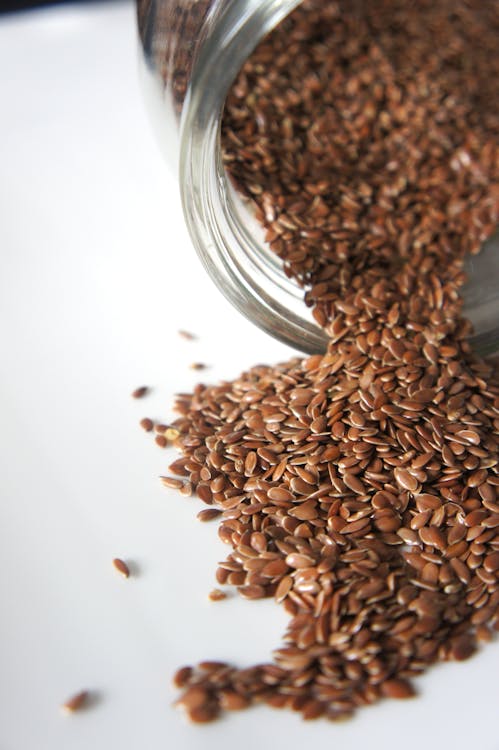
    3. Flaxseeds and Flaxseed Oil: Flaxseeds are a good source of ALA, the short-chain omega-3 fatty acid. Flaxseed oil is a concentrated source of ALA.

    4. Chia Seeds: Chia seeds are another excellent source of ALA. They can be added to smoothies, yogurt, cereal, or baked goods.

    5. Walnuts: Walnuts are a rich source of ALA, and they also contain healthy fats and fiber.

    6. Soybeans and Soybean Oil: Soybeans and soybean oil are good sources of ALA. Soybeans can be eaten whole or processed into products like tofu, tempeh, and edamame.

    7. Kale and Other Leafy Greens: Leafy greens like kale, spinach, and collard greens contain ALA, but in lower amounts compared to other sources.

    It's important to note that the body can only convert a limited amount of ALA to EPA and DHA, so consuming some long-chain omega-3s from fish or algal oil is recommended for optimal health benefits.


    Table 2: Omega-3 content of different food sources

    Flaxseeds and chia seeds contain the highest values of   Omega-3 fatty acids and should be eaten in greater proportions in the diet. 

    FoodALA (g/100g)EPA (g/100g)DHA (g/100g)
    Salmon1.60.041.2
    Tuna (canned, light)0.70.050.2
    Sardines (canned)0.70.10.3
    Herring (canned)0.80.50.2
    Mackerel (canned)0.80.20.4
    Chia seeds19.30.81.6
    Flaxseeds19.300.4
    Walnuts8.500.2
    Soybeans7.30.070.1
    Kale0.200


    Omega 6 fatty acids

    Omega-6 fatty acids are a type of essential polyunsaturated fat, meaning the body cannot produce them on its own and they must be obtained from the diet. They play a crucial role in various bodily functions, including:

    • Cell membrane structure: Omega-6 fatty acids contribute to the structure of cell membranes, allowing for the passage of nutrients and waste products.

    • Eicosanoid production: Omega-6 fatty acids serve as precursors to eicosanoids, signaling molecules involved in inflammation, blood clotting, and immune function.

    • Brain function: Omega-6 fatty acids are essential for brain development and function, supporting memory, learning, and mood regulation.

    • Skin and hair health: Omega-6 fatty acids contribute to healthy skin and hair by maintaining moisture and preventing dryness.

    • Hormone production: Omega-6 fatty acids play a role in the production of hormones, such as prostaglandins and leukotrienes, which regulate various bodily processes.

    The two main types of omega-6 fatty acids are linoleic acid (LA) and alpha-linolenic acid (ALA). LA is found in various plant oils and seeds, while ALA is found primarily in flaxseeds, chia seeds, and walnuts.

    The body can convert ALA to EPA (eicosapentaenoic acid) and DHA (docosahexaenoic acid), which are long-chain omega-6 fatty acids with additional health benefits.

    Omega-6 fatty acids are essential for overall health, and adequate intake is recommended. However, excessive consumption of omega-6 fatty acids may contribute to inflammation and chronic health conditions. Therefore, it is important to maintain a balance between omega-6 and omega-3 fatty acids in the diet.

    Sources of Omega 6 fatty acids


    Sunflower Oil (51g/100g).

    Soybean Oil (47g/100g),

    Safflower Oil (45g/100g): Safflower oil is a versatile oil that can be used for cooking, baking, and frying. It is high in both omega-6 and omega-9 fatty acids.

    Corn Oil (29g/100g): Corn oil is a common cooking oil that is high in omega-6 fatty acids. It is also a good source of vitamin E.

    Walnuts (16g/100g): Walnuts are a healthy snack food that is high in omega-6 fatty acids. They are also a good source of protein, fiber, and antioxidants.

    Pumpkin Seeds (15g/100g): Pumpkin seeds are a nutritious snack food that is high in omega-6 fatty acids, magnesium, and zinc. They can be eaten on their own or added to yogurt, salads, or cereals.

    Hemp Seeds (13g/100g): Hemp seeds are a complete protein and are high in omega-6 fatty acids, fiber, and iron. They can be eaten on their own, added to smoothies, or used as a topping for salads or cereals.

    Tofu (5g/100g): Tofu is a versatile food made from soybeans that is high in protein and fiber.

    Chia Seeds (8g/100g): Chia seeds are a good source of omega-6 fatty acids, fiber, and protein. They can be eaten on their own, added to smoothies, yogurt, or cereal, or used in baking.

    Flaxseeds (11g/100g): Flaxseeds are a good source of omega-6 fatty acids and lignans, which are plant compounds with potential health benefits. They can be ground and added to smoothies, yogurt, or cereal.


    Tips for maintaining a healthy balance of omega-6 and omega-3 fatty acids

    • Limit intake of processed foods: Processed foods often contain high levels of omega-6 fatty acids and low levels of omega-3 fatty acids.

    • Choose whole-grain sources of carbohydrates: Whole grains contain ALA, an omega-3 fatty acid.

    • Eat fatty fish: Fatty fish, such as salmon, tuna, and sardines, are excellent sources of EPA and DHA, long-chain omega-3 fatty acids.

    • Incorporate plant-based sources of omega-3s: Flaxseeds, chia seeds, and walnuts are good plant-based sources of ALA.

    • Consider omega-3 supplements: If you are unable to get enough omega-3 fatty acids from your diet, consider taking an omega-3 supplement.

    Sunday, April 28, 2019

    Bodybuilding Supplements: New Research Shows That Protein Supplement L-norvaline Is Potentially Harmful To The Brain

    2019 Research Shows That Protein Supplement L-norvaline Is Potentially Harmful To The Brain


    New research findings emerging in 2019 reveals that L-norvaline is potentially harmful to the human brain. The study was conducted by scientists at the University of Technology Sydney and published in Toxicology in Vitro.


    L-norvaline is a popular protein component that is widely used ingredient of many bodybuilding supplements. Manufacturers claim that it can boost workouts and aid recovery. However, compounds that are similar in composition to l-norvaline have been linked to diseases which cause degeneration of nerve cells.

    Therefore, bodybuilders should read product labels before purchasing in order to determine if l-norvaline is present.


    Two ways in which L-norvaline harms the human cell


    Overall the study showed that L-norvaline causes deleterious effects on the cellular health and function in the following ways:


    L-norvaline reduced cell viability and induced necrotic cell death.
    Viabiality of cell refers to the ability of cells to survive and to be healthy. To further compound matters, necrosis refers to cellular death due to decreased blood flow. Therefore, L-norvaline decreases blood flow to cells. This is the same kind of effect that is also caused by injury, radiation, or chemicals.

    L-norvaline exposure led to mitochondrial fragmentation and bioenergetic dysfunction.


    Mitochondria are structures found inside of human cells. They are the energy factories or power plants of the human organism. Mitochondria also produce proteins and small amounts of carbon dioxide. The source of the energy inside the cell is a molecule called Adenosine Triphosphate or ATP. This is actually manufactured inside the mitochondria.

    L-norvaline breaks up the mitochondria and thus prevents it from producing the energy needed in the human body.


    Why proteins are very important in normal body function and therefore to bodybuilders


    First, I would like to explain that the human body normally uses substances called amino acids to manufacture protein. Proteins are essential for life and are made up of long chains of amino acids. Amino acids are made up of carbon, hydrogen, oxygen and nitrogen. Some amino acids made in the body while the rest are derived from food.

    Amino acids are divided into three groups


    Essential amino acids
    Nonessential amino acids
    Conditional amino acids


    ESSENTIAL AMINO ACIDS


    There are 9 essential amino acids which come only from food and cannot be made by the body. They are histidine, isoleucine, leucine, lysine, methionine, phenylalanine, threonine, tryptophan, and valine.

    NONESSENTIAL AMINO ACIDS


    Nonessential amino acids are produced in the body. They include alanine, asparagine, aspartic acid, and glutamic acid.

    CONDITIONAL AMINO ACIDS


    Conditional amino acids required in times of illness and stress and include arginine, cysteine, glutamine, tyrosine, glycine, ornithine, proline, and serine.


    Here are four important functions of proteins:
    Bodybuilders use protein supplements to cause muscle growth and strength. Here are four important overall functions of proteins in the human body

    Providing structure - Many proteins such as collagen provide structure for the human body. Collagen is strong and cartilage and tendons.

    Body defense - Proteins such as antibodies help protect us from diseases. Antibodies fight off foreign invaders such as bacteria and other toxic substances.

    Providing transport - Proteins transport essential nutrients around the human body. For example, hemoglobin transports oxygen in our red blood cells.

    Act as catalysts - Some proteins, such as enzymes, act as catalysts to assist in chemical reactions. They help us to break up and digest our food so it can be used by our cells.


    The reason why L-norvaline is so toxic to human cells


    L-norvaline is one of hundreds of other naturally occurring amino acids which are known as non-proteinogenic amino acids (NPAAs). However, these NPAAs are not useful substances. Instead, some NPAAs mimic the actions of essential protein amino acids.

    The action of outcome of this mimicry can be explained by the action of L-norvaline in plants. Some plants use L-norvaline to inhibit the growth of other plants or kill herbivores. This indicates that L-norvaline may inhibit the function of the essential amino acids.


    Animal and plant sources of protein


    Animal sources of protein include


    fish.
    various types of eggs.
    dairy products, such as cheese, milk, and whey.
    poultry from sources such as chickens, turkeys, and quails.


    Plant sources of protein


    grains
    lentils
    nuts
    beans
    legumes
    certain fruits, such as avocados
    soy
    hemp
    rice
    peas
    Many other nuts, grains, and vegetables also contain high amounts of protein.


    SOURCES


    https://medlineplus.gov/ency/article/002222.htm


    https://www.ducksters.com/science/biology/proteins_and_amino_acids.php


    University of Technology Sydney. (2019, February 7). Body building supplement could be bad for the brain: People taking the protein supplement L-norvaline should be aware of its potential for harm, scientists say. ScienceDaily. Retrieved April 29, 2019 from www.sciencedaily.com/releases/2019/02/190207102627.htm

    Monday, March 25, 2019

    How Much Weight Is Too Much For Bodybuilders To Lift?

    There is conflicting information on the amount of weight that bodybuilders should lift


    In this article, we will explore some of the available research related to the amount of weight that bodybuilders need to lift in order to build muscle. Hopefully, this would clarify some of your conflicts and answer questions, placing you on the road to happy and successful bodybuilding.

    McMaster University researchers found that light weights are effective for building muscle and gaining strength


    In order to test their theory that light weights were just as effective as heavy weights in building muscle and strength, the researchers studied healthy, young male volunteers.

    Their aim was to measure how their leg muscles reacted to different forms of resistance training over a period of 10 weeks.

    How the study was conducted


    The participants were assigned to three different programs that required them to complete sets of repetition with assigned loads. There were typically eight to twelve repetitions per set at the highest weights and 25 to 30 repetitions at the lowest weights.

    The three programs used in the combinations were:

    one set at 80% of the maximum load.
    three sets at 80% of the maximum.
    three sets at 30% of the maximum.

    The researchers first determined the maximum weight each subject could lift one time in a knee extension. Each subject was assigned to a different training program for each leg.


    Results of the study


    Results were confirmed after 10 weeks of training done three times per week. It was found that the heavy and light groups that lifted three sets saw significant gains in muscle volume. This was measured by MRI and there was no difference among the groups.

    The group that trained for a single set showed approximately half the increase in muscle size seen in both the heavy and light groups.

    The researchers concluded that lifting light light loads can induce muscle growth, provided it is lifted to the point where it is difficult to maintain good form.

    COMMENT – I infer that the frequency of sets is important in muscle and strength building.


    SOURCES

    C. J. Mitchell, T. A. Churchward-Venne, D. D. W. West, N. A. Burd, L. Breen, S. K. Baker, S. M. Phillips. Resistance exercise load does not determine training-mediated hypertrophic gains in young men. Journal of Applied Physiology, 2012; DOI: 10.1152/japplphysiol.00307.201

    McMaster University. (2012, April 30). Light weights are just as good for building muscle, getting stronger, researchers find. ScienceDaily. Retrieved March 25, 2019 from www.sciencedaily.com/releases/2012/04/120430105358.htm

    Thursday, March 14, 2019

    Weight Off: Free Food Tracking App Helps Overweight People Lose Up To 6 Pounds

    Up to 6 pounds of weight comes off with free food tracking app


    Weight loss just became less challenging due to modern technology in the form of a free food tracking smartphone app call MyFitnessPal. This exciting discovery was made by Duke university scientists who found overweight persons lost up to 6 pounds when they tracked their daily food intake. Best of all, this weight loss was accomplished without a particular diet.

    Duke University Psychology Professor Gary Bennett, researcher in the project, explained that Americans are now using free and low cost weight loss apps to manage their weight. In spite of this however, there was no evidence to show whether or not these apps worked very well. Their ground breaking research now shows that commercial smartphone apps can be useful in weight loss.

    The research findings suggest that it is possible to lose weight effectively through low cost tools, rather than through expensive in-person interventions. This should be a comforting thought for persons who want to lose weight but do not have the money to pay for expensive services like gym memberships.

    Reasons for this weight loss study


    Michele Lanpher Patel, a co researcher on the project explained that the study was conducted to identify a lower-intensity treatment for weight loss that people could use from the comfort of their home. However, Patel further explained that the researchers were not sure how much weight people would lose with this type of remote treatment. The success of the research was based on a merger of  behavioral science principles and technology.

    Patel further explained that everyone does not have the time for high-intensity weight-loss treatments and that alternative strategies should be created for these people.


    how to lose weight with food tracking app on https://leanmusclebody.com


    Details about the dietless weight loss study


    The study was a randomized control trial which involved 105  participants aged 21 to 65 years. A smartphone app called MyFitnessPal was used to track dietary intake. Participants were divided into three groups:

    Group 1 tracked food intake daily for three months, while Group 2  tracked their weight for a month, then began logging food intake as well.  Group 2 also received emails with tailored feedback, weekly lessons on nutrition and behavior change, and action plans describing how to implement the weekly lesson.

    Group 3 recorded both their weight and food intake for  three months, using the same app as the first two groups. They also received weekly lessons, action plans and feedback. For instance, weekly nutrition lessons included tips on topics such as reducing sugary foods and portion control.

    Results showed that participants lost up to 6 pounds


    Three months after the study began, participants in all three groups had lost clinically significant amounts of weight. Those who only tracked what they ate lost about 5 pounds on average. People in the second group lost about 6 pounds on average.

    Members of Group 3 lost about 6 pounds on average. This group had recorded their weight and food intake for 12 weeks, and received weekly lessons, action plans and feedback. However, participants in that group kept the weight off longer. At six months, people in the third group had lost nearly 7 pounds on average.


    MyFitnessPal App on Google Play


    Click the image for food tracker apps on Google Play


    Consistent food and weight tracking is key in the weight loss journey


    The researchers found that successful participants in all three groups actually kept a food log. Those who were most diligent in tracking each day lost the most weight. By contrast, past research has shown that people often start with a goal of recording their food intake, but fail to continue over time.


    Researchers concluded that  two main factors helped participants follow through on their weight-loss goals. The first was helping participants to set specific goals, including tailored calorie targets, while the second was the automatic in-app reminders to log meals each day.


    According to researcher Bennett,

    “We have very strong evidence that consistent tracking, particularly of diet, but also one’s weight, is an essential element of successful weight loss… consumers should look for apps that make it easy for them to track on a consistent basis.”

    While the study used a free, commercially available app called MyFitnessPal, researchers said that similar results could possibly be achieved by using another diet tracker.

    The research was supported by grants from the American Psychological Association and the Duke Interdisciplinary Behavioral Research Center, and by the Aleane Webb Dissertation Research Award from the Graduate School at Duke University.

    Source:


    Materials provided by Duke University.
    Michele L Patel, Christina M Hopkins, Taylor L Brooks, Gary G Bennett. Comparing Self-Monitoring Strategies for Weight Loss in a Smartphone App: Randomized Controlled Trial. JMIR mHealth and uHealth, 2019; 7 (2): e12209 DOI: 10.2196/12209

    Thursday, January 17, 2019

    Lyndon Delano Moss' Don's Song | Songs To Feel Happy

    Update To Don’s Song By Lyndon Delano Moss | Songs To Feel Happy

    Don’s Song is an instrumental piece played on the guitar and is the original composition of my uncle Lyndon Delano Moss. Uncle Lyndon has been playing guitar music for years and he finally allowed my Auntie Merce to publish his music after she begged and begged.

    😊 💥 😊 💥 😊 💥 😊 💥 😊 💥 😊 💥 😊 💥 😊 💥 😊 💥 😊

    Why do you need to listen to Don’s Song: Songs to feel happy?

    My Auntie Merce says that she feels really joyful when she listens to Uncle L's music. She's given out a Don’s Song challenge because my one year old son calmed down from being unusually fussy when he heard it.

    Auntie Merce really feels that Uncle Lyndon's Song will help to change your environment and make it more peaceful. She said it is like breath of fresh air to her.


    😊 💥 😊 💥 😊 💥 😊 💥 😊 💥 😊 💥 😊 💥 😊 💥 😊 💥 😊 💥 😊 💥

    The second part of the update on Songs to feel happy: Don’s Song by Lyndon Delano Moss

    Don’s Song by my Uncle Lyndon is now live on Amazon.

    Get Songs to feel happy: Don’s Song by my Uncle, Lyndon Delano Moss at the link below
    https://amzn.to/2SXbIf9

    RELATED POSTS