Featured Post

2026 Quality Over Quantity: Strategic Grocery List

You Might Like

Showing posts sorted by relevance for query omega 3 fatty acids. Sort by date Show all posts

Saturday, June 1, 2019

Bodybuilding: Fatty Acids Benefits For Bodybuilders

What are fatty acids?

Fatty acids are the building blocks of the fat in human bodies. In order to be usable by the body, foods containing fats are broken down in the small intestine into smaller products called fatty acids.

These fatty acids are then transported across the wall of the small intestine into the blood to be used or stored for future purposes.

Fatty acids are usually joined together in groups of three, forming a structure called a triglyceride.

Fatty acids are essential nutrients that play a crucial role in various bodily functions, including energy storage, hormone production, and cell membrane structure.


Classification of fatty acids

Fatty acids are classified based on the length of their carbon chains:

Short-chain fatty acids (SCFA)

SCFAs are the smallest fatty acids, containing up to 6 carbon atoms. They are primarily produced by gut bacteria through the fermentation of dietary fiber. Examples of SCFAs include acetic acid, butyric acid, and propionic acid.

Medium-chain fatty acids (MCFA)

MCFAs contain 6 to 12 carbon atoms. They are absorbed directly into the bloodstream from the gut and transported to the liver, where they are readily metabolized for energy. Examples of MCFAs include lauric acid, capric acid, and octanoic acid.

Long-chain fatty acids (LCFA)

LCFAs contain more than 12 carbon atoms. They are the most abundant type of fatty acid found in the diet and are stored in adipose tissue as energy reserves. Examples of LCFAs include palmitic acid, stearic acid, and oleic acid.


Table 1: Key differences between SCFAs, MCFAs, and LCFAs:

Fatty Acid TypeCarbon Chain LengthAbsorptionPrimary Metabolic SiteEnergy Source
Short-chain fatty acids (SCFA)Up to 6 carbonsDirect absorption from the gutLiverImmediate energy source
Medium-chain fatty acids (MCFA)6 to 12 carbonsDirect absorption from the gutLiverReadily metabolized for energy
Long-chain fatty acids (LCFA)More than 12 carbonsLymphatic absorptionAdipose tissueStored energy reserves


Health implications of the type of fatty acids eaten

The type of fatty acid consumed can have different metabolic effects and health implications. SCFAs are known for their anti-inflammatory properties and potential benefits in gut health and weight management.

MCFAs are often used in ketogenic diets to provide an alternative energy source for the brain.

LCFAs, when consumed in excess, can contribute to weight gain and cardiovascular risks.

It's important to maintain a balanced intake of different types of fatty acids for optimal health.

Replacing saturated and trans fats with healthier unsaturated fats, such as those found in fish, nuts, and seeds, can contribute to a well-rounded diet.



Understanding more about fats and their benefits


Although the words fats and fatty acids might conjure up a picture of obesity and other horrible diseases, the body actually needs them for many useful purposes which include

         
  1. insulating the body.
  2. storage of energy.
  3. production of energy.
  4. protecting body organs against shock.
  5. release of energy when blood glucose is depleted.
  6. building nerve tissue (including the brain and nerves).
  7. uptake of Vitamins A, D E and K from the small intestine into the blood. These are fat soluble vitamins because they can only be absorbed if there’s fat in a person’s diet.
  8. building hormones or substances which are made in structures called glands. Examples include testosterone in males and estrogen and testosterone in females.


Alzheimers disease

Three types of fats/fatty acids in food sources


Three types of fats or fatty acids can be taken in via food sources. They are:

  • Saturated fats/fatty acids.

  • Monounsaturated fats/fatty acids.

  • Polyunsaturated fats/fatty acids.

Saturated fats

Saturated fats/fatty acids originate from both animal fats and plant oils.  They are usually solid at room temperature.


Food sources that are high in saturated fat


 fatty cuts of meats.
skin from poultry – remove the skin when cooking.
full-fat dairy products like butter, milk, yogurt, cheese, and cream.
Many takeaway foods and processed foods, such as pies, pastries, doughnuts, cakes, and biscuits.
Plant sources include palm oil, coconut oil, and palm kernel oil. 



Can bodybuilders use the saturated fatty acids in coconut oil?


Saturated fats or fatty acids are also found in tropical oils, like palm kernel or coconut oil.  However, coconut oil possesses medium chain triglycerides or MCTs which are shorter than most other fats.

Medium-chain triglycerides from coconut oil go directly to the liver where they are rapidly used for energy or converted into ketones.  Ketones can have powerful benefits for the brain and are being studied as a treatment for conditions like epilepsy and Alzheimer’s disease.

Additionally, coconut oil has been shown to have many beneficial effects such as:

    increasing the usage of fat in the body.
    killing harmful germs and protecting from disease.
    Reducing hunger thus helping individuals to reduce food intake. Increasing the good cholesterol or High-Density Lipoprotein or HDL. This is important in reducing heart disease.
    Improving the moisture content of the skin thus reducing symptoms of eczema.

 

Coconut  Research Center


Polyunsaturated and monounsaturated fats/fatty acids


Polyunsaturated and monounsaturated fats are usually liquid at room temperature. They are needed for good health and are better for bodybuilders. 

These fats help to reduce the risk of heart disease and stroke by lowering the ‘bad’ (low-density lipoprotein or LDL) cholesterol in the blood.

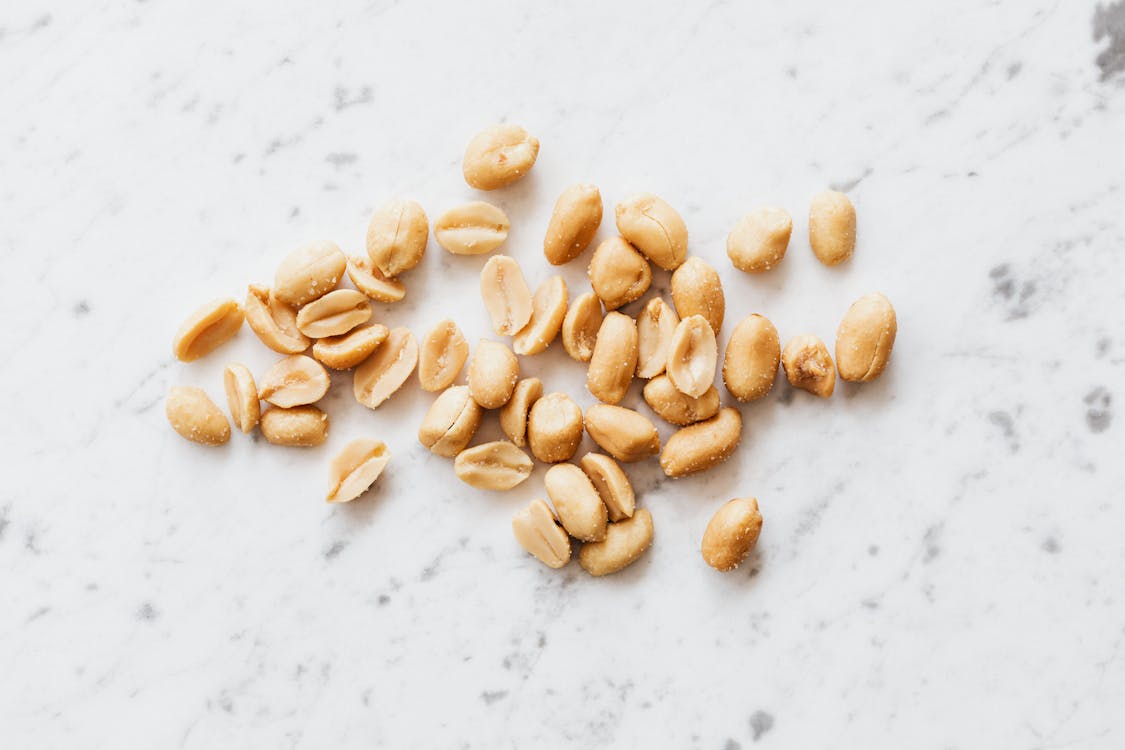
Polyunsaturated and monounsaturated fats food sources include:

    avocado.
    nuts and seeds.
    sunflower, olive, peanut and sesame oils.
    some vegetable oils and margarine spreads.
    oily fish, including salmon, sardines, blue mackerel and tuna.


The two major classes of polyunsaturated fatty acids (PUFAs) are:

  • Omega-3 fatty acids.
  • Omega-6 fatty acids.  

Of the two, Omega-3 fatty acids are the most beneficial since they can reduce the risk of heart disease and cancer.  The Omega-3s  also play a wide role in general health and well-being. 

Here are a few actions of Omega 3 fatty acids:

    They are components of the phospholipids that form and maintain the structures of human building blocks aka cell walls and membranes.

    DHA, an Omega 3, is especially high in the retina of the eye, brain, and sperm.

    Omega-3s (along with Omega-6s) provide energy for the body.

    They help to reduce inflammation which is an underlying cause of disorders like asthma.

    They are important in reducing migraines.


    Main sources of Omega-3 fatty acids:

    1. Fish and Seafood: Cold-water fatty fish are particularly rich in omega-3 fatty acids, especially eicosapentaenoic acid (EPA) and docosahexaenoic acid (DHA), which are considered long-chain omega-3s. Some of the best sources include:

      • Salmon: Salmon is a popular choice for omega-3s, particularly wild-caught salmon.
      • Tuna: Tuna is another excellent source of omega-3s, especially canned light tuna.
      • Sardines: Sardines are small, oily fish that are packed with omega-3s.
      • Herring: Herring is a versatile fish that can be eaten canned, smoked, or fresh.
      • Mackerel: Mackerel is a flavorful fish that is rich in omega-3s.
    2. Algae: Algae, particularly algal oil, is a plant-based source of DHA, making it a suitable option for vegans or those who cannot consume fish.

    3. Flaxseeds and Flaxseed Oil: Flaxseeds are a good source of ALA, the short-chain omega-3 fatty acid. Flaxseed oil is a concentrated source of ALA.

    4. Chia Seeds: Chia seeds are another excellent source of ALA. They can be added to smoothies, yogurt, cereal, or baked goods.

    5. Walnuts: Walnuts are a rich source of ALA, and they also contain healthy fats and fiber.

    6. Soybeans and Soybean Oil: Soybeans and soybean oil are good sources of ALA. Soybeans can be eaten whole or processed into products like tofu, tempeh, and edamame.

    7. Kale and Other Leafy Greens: Leafy greens like kale, spinach, and collard greens contain ALA, but in lower amounts compared to other sources.

    It's important to note that the body can only convert a limited amount of ALA to EPA and DHA, so consuming some long-chain omega-3s from fish or algal oil is recommended for optimal health benefits.



    Table 2: Omega-3 content of different food sources
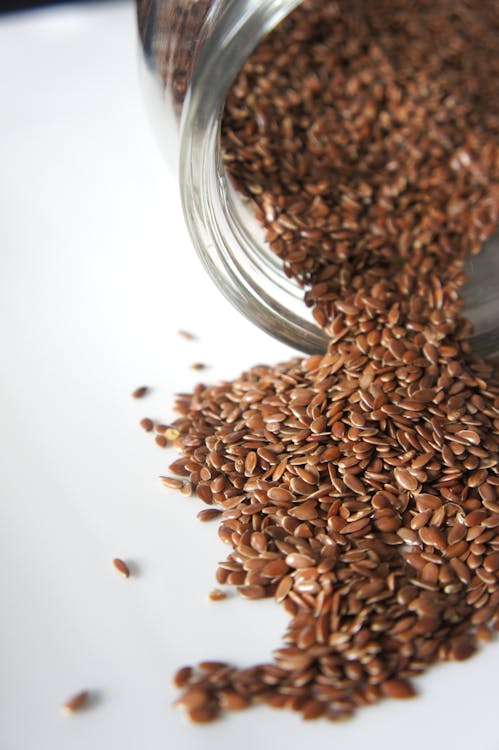
    Flaxseeds and chia seeds contain the highest values of   Omega-3 fatty acids and should be eaten in greater proportions in the diet. 

    FoodALA (g/100g)EPA (g/100g)DHA (g/100g)
    Salmon1.60.041.2
    Tuna (canned, light)0.70.050.2
    Sardines (canned)0.70.10.3
    Herring (canned)0.80.50.2
    Mackerel (canned)0.80.20.4
    Chia seeds19.30.81.6
    Flaxseeds19.300.4
    Walnuts8.500.2
    Soybeans7.30.070.1
    Kale0.200


    Omega 6 fatty acids

    Omega-6 fatty acids are a type of essential polyunsaturated fat, meaning the body cannot produce them on its own and they must be obtained from the diet. They play a crucial role in various bodily functions, including:

    • Cell membrane structure: Omega-6 fatty acids contribute to the structure of cell membranes, allowing for the passage of nutrients and waste products.

    • Eicosanoid production: Omega-6 fatty acids serve as precursors to eicosanoids, signaling molecules involved in inflammation, blood clotting, and immune function.

    • Brain function: Omega-6 fatty acids are essential for brain development and function, supporting memory, learning, and mood regulation.

    • Skin and hair health: Omega-6 fatty acids contribute to healthy skin and hair by maintaining moisture and preventing dryness.

    • Hormone production: Omega-6 fatty acids play a role in the production of hormones, such as prostaglandins and leukotrienes, which regulate various bodily processes.

    The two main types of omega-6 fatty acids are linoleic acid (LA) and alpha-linolenic acid (ALA). LA is found in various plant oils and seeds, while ALA is found primarily in flaxseeds, chia seeds, and walnuts.

    The body can convert ALA to EPA (eicosapentaenoic acid) and DHA (docosahexaenoic acid), which are long-chain omega-6 fatty acids with additional health benefits.

    Omega-6 fatty acids are essential for overall health, and adequate intake is recommended. However, excessive consumption of omega-6 fatty acids may contribute to inflammation and chronic health conditions. Therefore, it is important to maintain a balance between omega-6 and omega-3 fatty acids in the diet.

    Sources of Omega 6 fatty acids


    Sunflower Oil (51g/100g).

    Soybean Oil (47g/100g),

    Safflower Oil (45g/100g): Safflower oil is a versatile oil that can be used for cooking, baking, and frying. It is high in both omega-6 and omega-9 fatty acids.

    Corn Oil (29g/100g): Corn oil is a common cooking oil that is high in omega-6 fatty acids. It is also a good source of vitamin E.

    Walnuts (16g/100g): Walnuts are a healthy snack food that is high in omega-6 fatty acids. They are also a good source of protein, fiber, and antioxidants.

    Pumpkin Seeds (15g/100g): Pumpkin seeds are a nutritious snack food that is high in omega-6 fatty acids, magnesium, and zinc. They can be eaten on their own or added to yogurt, salads, or cereals.

    Hemp Seeds (13g/100g): Hemp seeds are a complete protein and are high in omega-6 fatty acids, fiber, and iron. They can be eaten on their own, added to smoothies, or used as a topping for salads or cereals.

    Tofu (5g/100g): Tofu is a versatile food made from soybeans that is high in protein and fiber.

    Chia Seeds (8g/100g): Chia seeds are a good source of omega-6 fatty acids, fiber, and protein. They can be eaten on their own, added to smoothies, yogurt, or cereal, or used in baking.

    Flaxseeds (11g/100g): Flaxseeds are a good source of omega-6 fatty acids and lignans, which are plant compounds with potential health benefits. They can be ground and added to smoothies, yogurt, or cereal.


    Tips for maintaining a healthy balance of omega-6 and omega-3 fatty acids

    • Limit intake of processed foods: Processed foods often contain high levels of omega-6 fatty acids and low levels of omega-3 fatty acids.

    • Choose whole-grain sources of carbohydrates: Whole grains contain ALA, an omega-3 fatty acid.

    • Eat fatty fish: Fatty fish, such as salmon, tuna, and sardines, are excellent sources of EPA and DHA, long-chain omega-3 fatty acids.

    • Incorporate plant-based sources of omega-3s: Flaxseeds, chia seeds, and walnuts are good plant-based sources of ALA.

    • Consider omega-3 supplements: If you are unable to get enough omega-3 fatty acids from your diet, consider taking an omega-3 supplement.

    Friday, June 13, 2025

    Ultimate Guide to Plant-Based Omega-3s for Bodybuilding

     Powering Your Gains: The Ultimate Guide to Plant-Based Omega-3s for Bodybuilding


    Meta Description: Unlock your bodybuilding potential with plant-based omega-3s! Discover how algae oil, flaxseeds, and chia seeds can boost muscle growth, speed recovery, and reduce inflammation for peak performance. A comprehensive guide for vegan bodybuilders and fitness enthusiasts.

    Hey there, fellow fitness enthusiasts! Are you crushing it in the gym, pushing for new personal bests, and focusing on optimizing every aspect of your bodybuilding journey? If so, you're likely dialed into your protein intake and carb timing, but what about your fats? Specifically, have you given enough thought to plant-based omega-3s for bodybuilding?

    It's a hot topic, especially for those embracing a plant-powered lifestyle, and for good reason! Omega-3 fatty acids are absolutely crucial for overall health, and their role in muscle growth, recovery, and performance is something you definitely don't want to overlook. Forget the old-school notion that you need fish oil to get your omega-3 fix. We're about to dive deep into how incredible plant-based omega-3s can be for your bodybuilding goals, dispelling myths and giving you actionable insights.


    Why Omega-3s Are Your Bodybuilding Best Friend

    Before we talk plants, let's quickly recap why omega-3s are so vital for anyone serious about building muscle. These essential fatty acids (meaning your body can't produce them, so you need to get them from your diet) play a pivotal role in:

    • Reducing Inflammation: Intense workouts cause micro-tears in your muscle fibers, leading to inflammation and soreness. Omega-3s, particularly EPA and DHA, are powerful anti-inflammatory agents. By reducing this post-workout inflammation, they can significantly speed up muscle recovery, getting you back in the gym faster and stronger. Think less soreness, more gains!
    • Muscle Protein Synthesis (MPS): This is the process where your body repairs and builds new muscle tissue. Research suggests that omega-3s can enhance MPS, essentially making your muscles more receptive to the protein you're consuming. This means more efficient muscle building and better results from your hard work.
    • Improved Insulin Sensitivity: Omega-3s may help improve insulin sensitivity. Why does this matter for bodybuilding? Better insulin sensitivity means your body can more effectively shuttle nutrients like glucose and amino acids into your muscle cells, providing them with the fuel and building blocks they need to grow and recover.
    • Joint Health: Lifting heavy puts a lot of stress on your joints. The anti-inflammatory properties of omega-3s can contribute to healthier joints, reducing pain and stiffness, which is essential for consistent, pain-free training.
    • Cardiovascular Health: A strong heart is the engine of a strong body. Omega-3s support cardiovascular health, ensuring efficient blood flow and oxygen delivery to your working muscles.

    See? These aren't just "nice-to-have" nutrients; they're foundational for optimal bodybuilding performance and longevity.

    The Plant-Powered Omega-3 Lineup: More Than Just ALA

    When we talk about plant-based omega-3s, it's important to understand the different types:

    • ALA (Alpha-Linolenic Acid): This is the most common plant-based omega-3. You'll find it in abundance in sources like flaxseeds, chia seeds, and walnuts. Your body can convert ALA into EPA and DHA, but the conversion rate is often quite low (around 0.2% to EPA and 0.05% to DHA). While ALA has its own benefits, for direct impact on muscle and recovery, you want those longer-chain EPA and DHA.
    • EPA (Eicosapentaenoic Acid) & DHA (Docosahexaenoic Acid): These are the "powerhouse" omega-3s, responsible for many of the benefits we discussed. Traditionally, these were thought to be exclusively found in fatty fish. But guess what? Fish get their EPA and DHA from algae! This is where the magic of plant-based omega-3s for bodybuilding truly shines.


    The Champion of Plant-Based Omega-3s for Bodybuilding: Algae Oil

    If you're serious about getting those crucial EPA and DHA directly from plants without relying on the inefficient ALA conversion, algae oil is your secret weapon. Algae oil is directly derived from microalgae, the original source of EPA and DHA in the marine food chain.

    Think of it this way: instead of going through the fish, you're going straight to the source! This means algae oil supplements offer bioavailable forms of EPA and DHA, similar to fish oil, but without any fishy taste, environmental concerns, or potential heavy metal contaminants. For a vegan bodybuilder or anyone looking for effective plant-based omega-3 supplementation, algae oil is a game-changer.

    Fueling Your Gains: Practical Plant-Based Omega-3 Sources

    Beyond algae oil, here are some fantastic whole food sources of ALA to incorporate into your diet, knowing that they contribute to your overall omega-3 intake and offer other nutritional benefits:

    • Flaxseeds (Ground): A tablespoon of ground flaxseed packs a serious ALA punch (around 2.4g!). Sprinkle it on your oatmeal, blend it into smoothies, or add it to baked goods. Make sure it's ground for better absorption!
    • Chia Seeds: These tiny powerhouses are not only rich in ALA (around 5g per ounce) but also provide fiber and protein. Perfect for chia puddings, adding to yogurt, or as an egg replacer.
    • Walnuts: A delicious and convenient snack, an ounce of walnuts offers about 2.6g of ALA. Great in salads, on top of oatmeal, or simply by the handful.
    • Hemp Seeds: Offering a good balance of omega-3s and omega-6s, hemp seeds provide around 2.6g of ALA per 3 tablespoons, plus a good dose of protein. Add them to smoothies, sprinkle on salads, or use in homemade granola.
    • Edamame: Half a cup of edamame provides a small but significant amount of ALA (around 0.28g), along with quality plant protein.
    • Leafy Green Vegetables: While not as concentrated as seeds, greens like spinach, kale, and Brussels sprouts contain small amounts of ALA, contributing to your overall intake.

    How Much Plant-Based Omega-3 Do Bodybuilders Need?

    When it comes to omega-3 dosage for athletes, particularly for the critical EPA and DHA, general recommendations for active individuals often range from 1 to 3 grams of combined EPA and DHA per day. For competitive athletes or those aiming for maximal muscle growth and recovery, some studies suggest a higher intake, potentially up to 2-4 grams of combined EPA and DHA daily.

    Since ALA conversion is inefficient, relying solely on ALA-rich foods might not provide enough direct EPA and DHA for optimal bodybuilding benefits. This is where algae oil supplements become invaluable. Look for a high-quality algae oil supplement that clearly states its EPA and DHA content.

    Common Questions About Plant-Based Omega-3s for Bodybuilding

    Q1: Is plant-based omega-3 as good as fish oil for bodybuilding?

    Absolutely! When sourced from algae, plant-based omega-3s provide the same highly bioavailable EPA and DHA that are found in fish oil. The key is ensuring you're getting sufficient amounts of these long-chain fatty acids, not just ALA. Algae oil bypasses the fish and delivers the essential fatty acids directly.

    Q2: Can I get enough omega-3s from just flaxseeds and chia seeds?

    While flaxseeds and chia seeds are excellent sources of ALA, the conversion to EPA and DHA in your body is limited. For optimal bodybuilding benefits like reduced inflammation and enhanced muscle protein synthesis, supplementing with an algae oil rich in EPA and DHA is highly recommended, especially if you're entirely plant-based.

    Q3: Will plant-based omega-3s help with muscle soreness?

    Yes! The anti-inflammatory properties of EPA and DHA (found directly in algae oil or converted from ALA) can significantly help reduce muscle soreness and aid in faster recovery after intense workouts. This means less downtime and more effective training sessions.

    Q4: Are there any specific brands of plant-based omega-3 supplements you recommend?

    While I can't endorse specific brands, when choosing an algae oil supplement, look for products that:

    • Clearly state the EPA and DHA content per serving.
    • Are third-party tested for purity and contaminants.
    • Are sustainably sourced.
    • Have positive reviews from other plant-based athletes.

    Q5: When should I take my plant-based omega-3 supplement?

    You can take your plant-based omega-3 supplement at any time of day, ideally with a meal that contains some fat to aid absorption. Some athletes prefer taking it post-workout to assist with recovery and inflammation, while others split their dosage throughout the day. Consistency is key!

    The Bottom Line: Power Your Gains with Plant-Based Omega-3s

    Embracing plant-based omega-3s for bodybuilding isn't just a dietary choice; it's a smart strategic move for optimizing your performance, recovery, and overall health. With the rise of high-quality algae oil supplements, plant-based athletes no longer have to compromise on getting the essential EPA and DHA their bodies need.

    So, whether you're a seasoned vegan bodybuilder or just exploring ways to incorporate more plant power into your diet, consider making plant-based omega-3s a cornerstone of your nutritional strategy. Your muscles (and your joints, and your heart!) will thank you. Keep lifting, keep growing, and keep thriving on plants!


    References

    1. Novoma. (n.d.). The benefits of Omega 3 for bodybuilding and sport. Retrieved from https://novoma.com/en/blogs/articles/omega-3-musculation
    2. OmegaQuant. (2024, January 31). Can Athletes Benefit from Taking More EPA and DHA? Retrieved from https://omegaquant.com/can-athletes-benefit-from-taking-more-epa-and-dha/
    3. Physicians Committee for Responsible Medicine. (n.d.). Omega-3 Fatty Acids and Plant-Based Diets. Retrieved from https://www.pcrm.org/good-nutrition/nutrition-information/omega-3


    RELATED POSTS